



We were deep into a conversation about data systems, nonprofit reporting, and the structural failures that keep philanthropic dollars from reaching the communities that need them most. Stephen Minix is VP of Community at UpMetrics, a former PE teacher and basketball coach at Locke High School in Watts, and one of the clearest thinkers I have encountered on why the social impact sector keeps falling short of its own stated goals. We had been talking for nearly an hour about extraction and trust and what relational philanthropy could look like if anyone actually built it.
And then he said: “I do not want to survive. I want us all to thrive.”
I wrote it down. I have been sitting with it since.
Surviving is the operating logic of most of the systems Stephen works inside.
Nonprofits survive by writing the grant report that keeps the lights on
Funders survive by validating their investment decisions with data that confirms what they already believed
Communities survive by accepting what is offered rather than demanding what is needed
The whole ecosystem has organized itself around survival. And almost nobody is asking the harder question:
What would it look like if we actually thrived?
Stephen came to this question through Watts. Teaching and coaching there, he noticed a particular kind of organizational visitor. Groups arrived with good intentions and left having taken something but without having truly given back.
Data.
Stories.
The community’s time and energy, redirected toward someone else’s agenda.
He calls this extraction.
And what surprised me was how clearly he could trace it operating not just in the obvious places but inside the philanthropic system itself. It shows up in annual reports that are designed for funders rather than communities, in the data that flows upward to validate investment decisions rather than back to the people doing the work.
He told me about sitting with a room full of funders one morning, everyone frazzled from school drop-offs. He asked: how many of you are hoping your kids stay in after-school programs today so you can pick them up later?
Every hand went up.
“Now tell me — what data did you collect before signing your kid up for that program?”
Silence.
These were the same people who demand extensive impact metrics from the nonprofits they fund. When it came to their own children, they’d made the decision on gut feeling, word of mouth, and convenience. “That,” Stephen said, “is the definition of performative.”
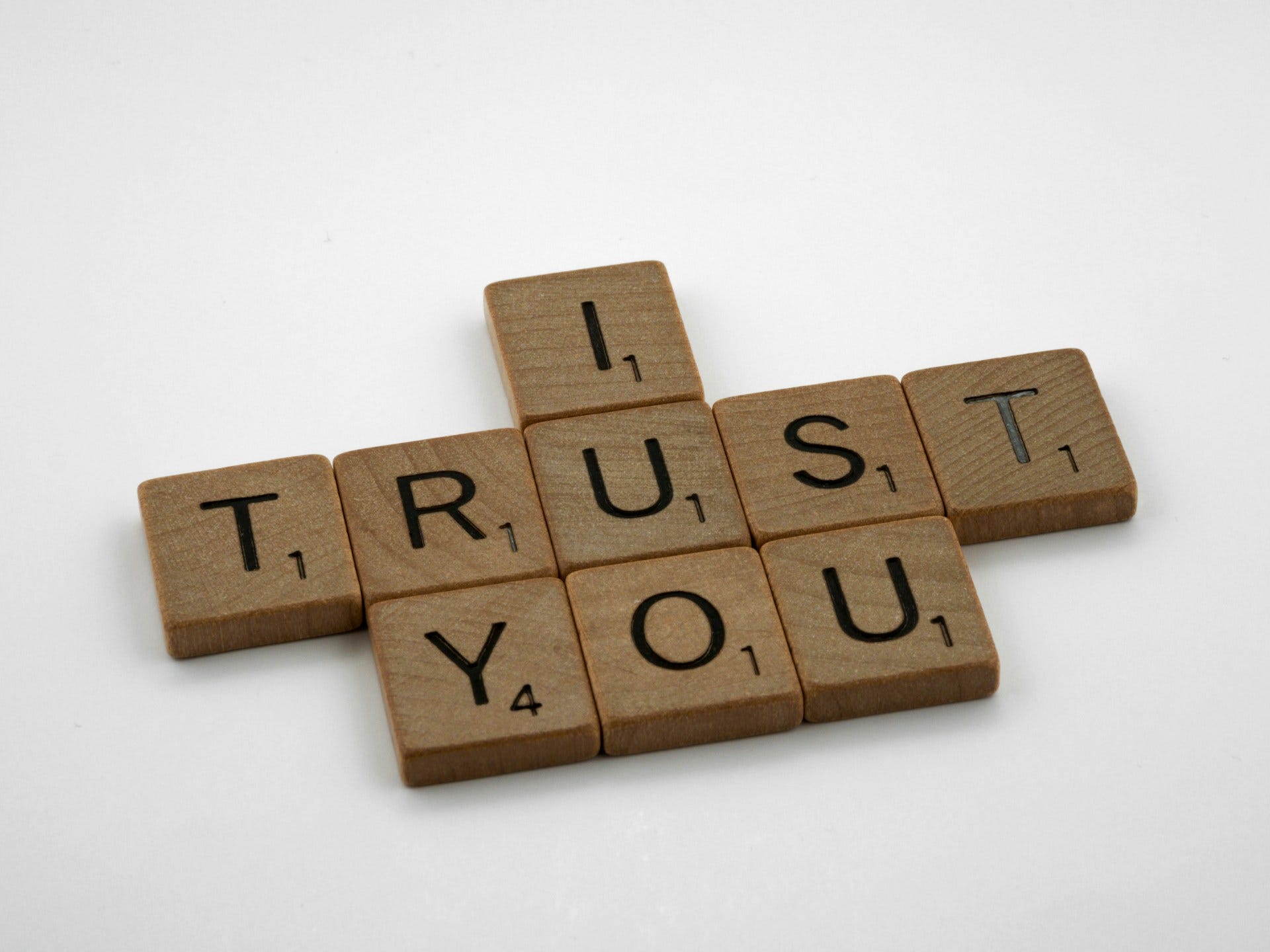
The real barrier between most funders and nonprofits, he argues, isn’t data quality. It’s trust. And you cannot build trust through a reporting system. You build it by showing up in the places where the work is actually happening, until the people doing that work become people you actually know. That takes earnestness. Repetition.
A funder once told him she couldn’t trust data that nonprofits self-reported. He asked how she filed her taxes.
Herself. No accountant.
“That’s self-reported data. And that’s federal money.”
She wasn’t happy with him. But the light bulb went on. What Stephen offered them, without naming it directly, was a master class in self-reflexive accountability.
What I keep returning to is how this maps to what I’m finding in my dissertation research on regenerative enterprise. It’s present across food systems, nutrition, clean energy, and yes, even philanthropy. The pattern is consistent. The organizations that thrive, rather than just survive, are the ones that have made a clear choice about who they are actually designed to serve.
The glossy annual report serves the funder. The community-centered data practice serves the community. The extractive nonprofit model serves the sector’s own survival. The relational model serves the work.
Stephen’s framework for the difference is simple. Working with young people he immediately identified that they were not broken. They were in process. Similarly, the role of a funder or a nonprofit is not to rescue but to accompany, and bring resources and relationships to a process that is already underway, led by the people closest to the pain.
That is what thriving looks like, as opposed to surviving. Surviving is getting through. Thriving is becoming. And the difference, most of the time, comes down to whether the people doing the work have the capital and the relationships to lead their own becoming, or whether they are waiting for someone from the outside to decide what they need.

Perpetual positivity pays off, Stephen told me. He believes everything is possible as long as you have the right relationships and the right information. He gets up every morning like that.
I believe him. Because I have watched what happens when someone who thinks about us instead of me walks into a room and starts making passes.
The future I want to build, and that I think most of the people reading this want too, is one where that is the norm rather than the exception. Where data serves communities instead of being extracted from them. Where thriving, for all of us, is the standard we are actually designing toward.
Not just getting through.
Becoming.
Listen to Episode 284 of Care More Be Better on apple podcasts, spotify, or wherever you listen to podcasts, or visit the blog page associated with the episode for the audio, video, and transcript here:
Connect with Stephen Minix and UpMetrics here: https://upmetrics.com/community